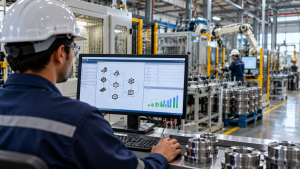
Manufacturing Execution Systems (MES) help manufacturers improve efficiency, product quality, and operational visibility. Modern manufacturers use MES to connect production, quality, maintenance, and business systems in real time.
MES has become essential for organizations aiming to achieve better operational control and data-driven manufacturing.
Why Manufacturers Need MES
Best-in-class manufacturers use Manufacturing Execution Systems to improve:
- Product quality
- Equipment efficiency
- Production performance
- Operational visibility
MES helps manufacturers increase uptime, improve Overall Equipment Effectiveness (OEE), and reduce production delays.
Key Benefits of Manufacturing Execution Systems
Operational Efficiency
- Improved uptime
- Faster production rates
- Better equipment utilization
Cost Reduction
- Reduced material waste
- Lower inventory costs
- Less rework and downtime
Quality and Compliance
- Better product quality
- Real-time production tracking
- Easier regulatory compliance
Data-Driven Decisions
MES replaces paper-based processes with real-time manufacturing analytics and visibility.
What to Evaluate in an MES
Manufacturers should focus on business goals before technical features.
A Manufacturing Execution System should connect:
- ERP systems
- Supply chain operations
- Sales processes
- Shopfloor control systems
This integration improves digital continuity and reduces the data gap between IT and OT systems.
How to Choose the Right MES
Choosing the right Manufacturing Execution System requires a structured implementation approach.
Key Selection Factors
- Configurable and scalable architecture
- Agile implementation approach
- Operations-driven execution
- Strong cross-functional team support
- Industry expertise and long-term partnership
Manufacturers should choose MES platforms that support future growth without heavy customization.
Conclusion
Manufacturing Execution Systems are now a critical foundation for smart manufacturing. MES helps manufacturers improve efficiency, quality, operational visibility, and decision-making.
With the right MES strategy, organizations can move from reactive operations to proactive and intelligent manufacturing processes.
Have questions or exploring MES for your organization? Contact us at sales@itspl.com.